Welcome to the McGraw Lab!
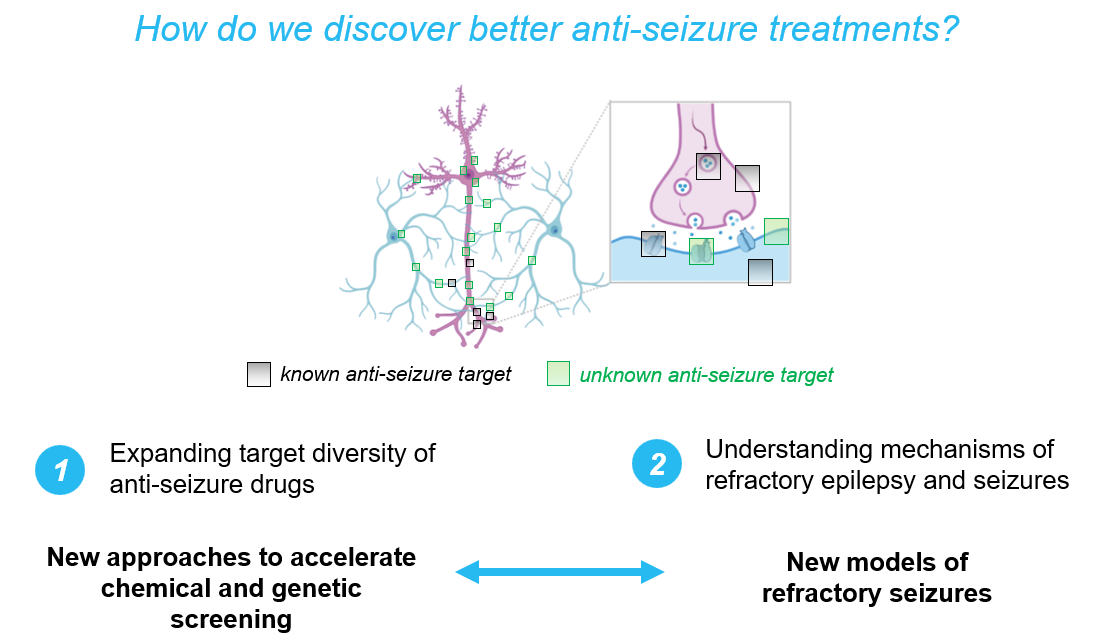
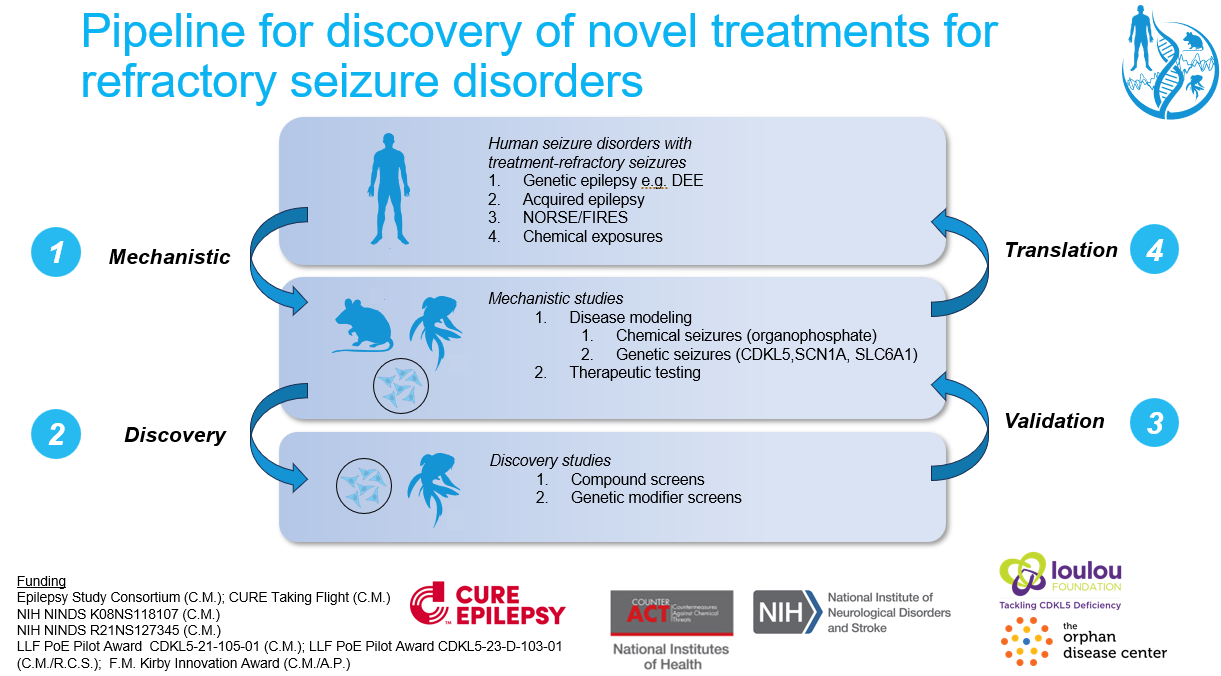
Our mission is to understand the molecular mechanisms of refractory seizure disorders and to identify novel therapies using cross-species approaches including human genetics and animal models (zebrafish, mouse). We are particularly interested in the intersection between genetics and pharmacology – understanding how genetic variants influence seizures and treatment response, and using genetics to identify new targets for anti-seizure drug development.
Our main areas of research are:
-
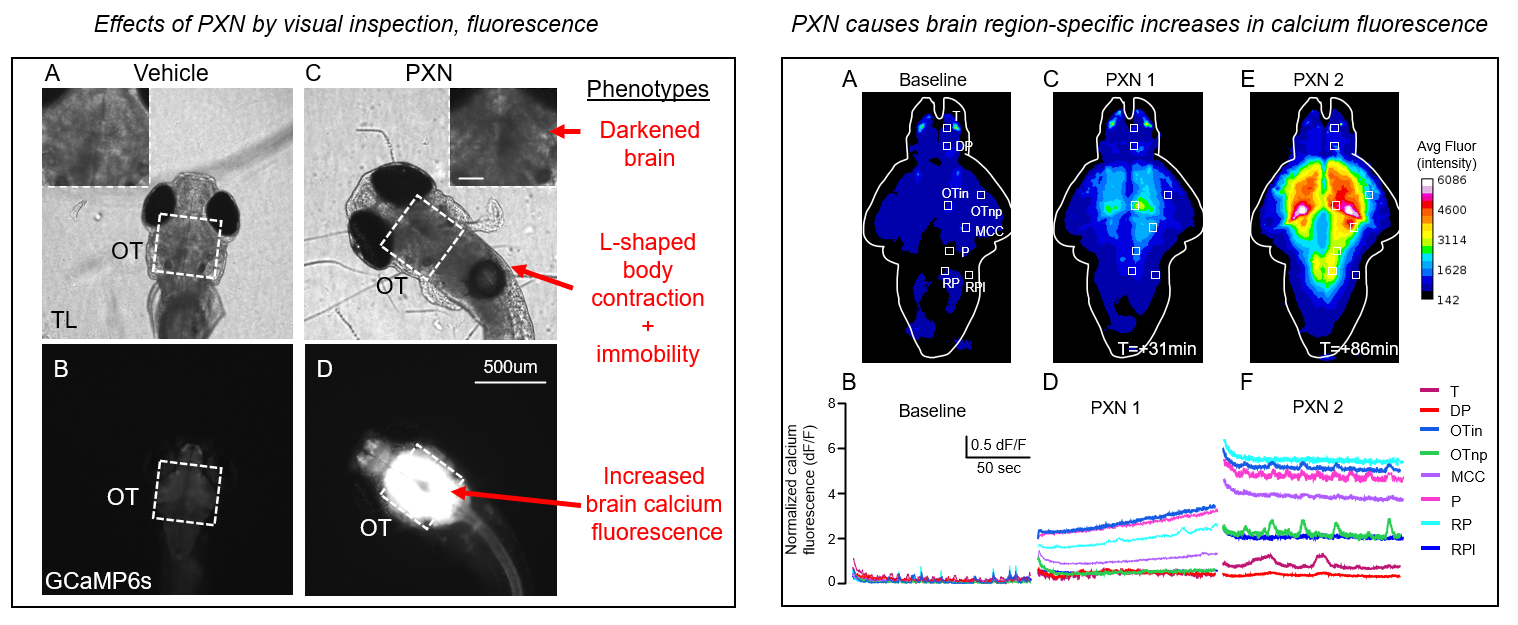
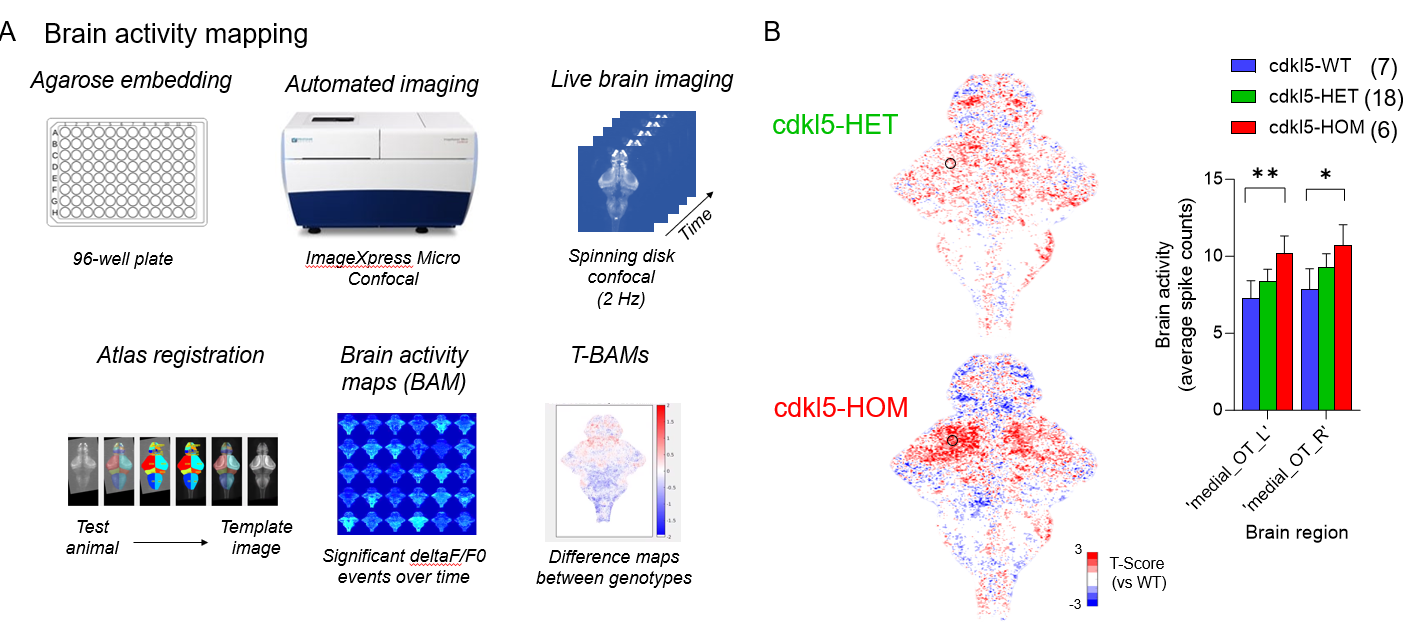
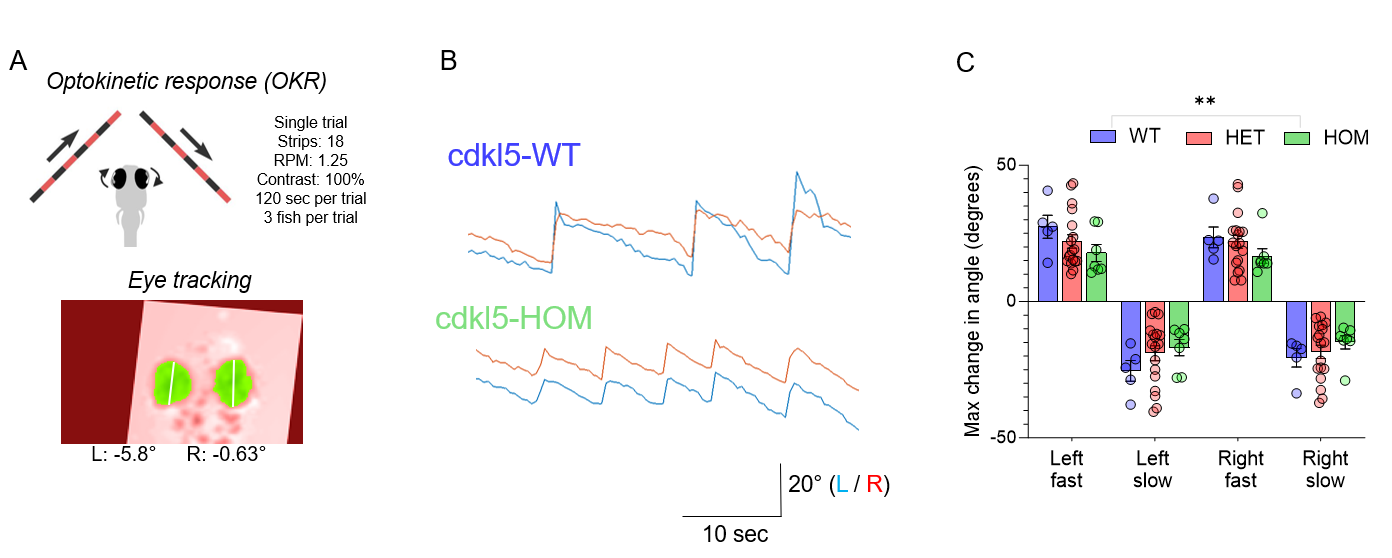
Animal models of refractory seizure disorders. Developing new models of treatment-resistant seizures (both in epilepsy and status epilepticus) through chemical proconvulsants (organophosphates) or genetic mutation (SLC6A1, CDKL5).
-
Functional assays for understanding human variants. Using cell-based and zebrafish-based assays to establish quantitative impairments associated with human variants to gain insight into disease-relevant protein functions and resolve variants of uncertain significance.
-
Genetic determinants of epilepsy severity. Using clinical and genomic data from adult epilepsy patients to understand factors affecting treatment response and prognosis.
-
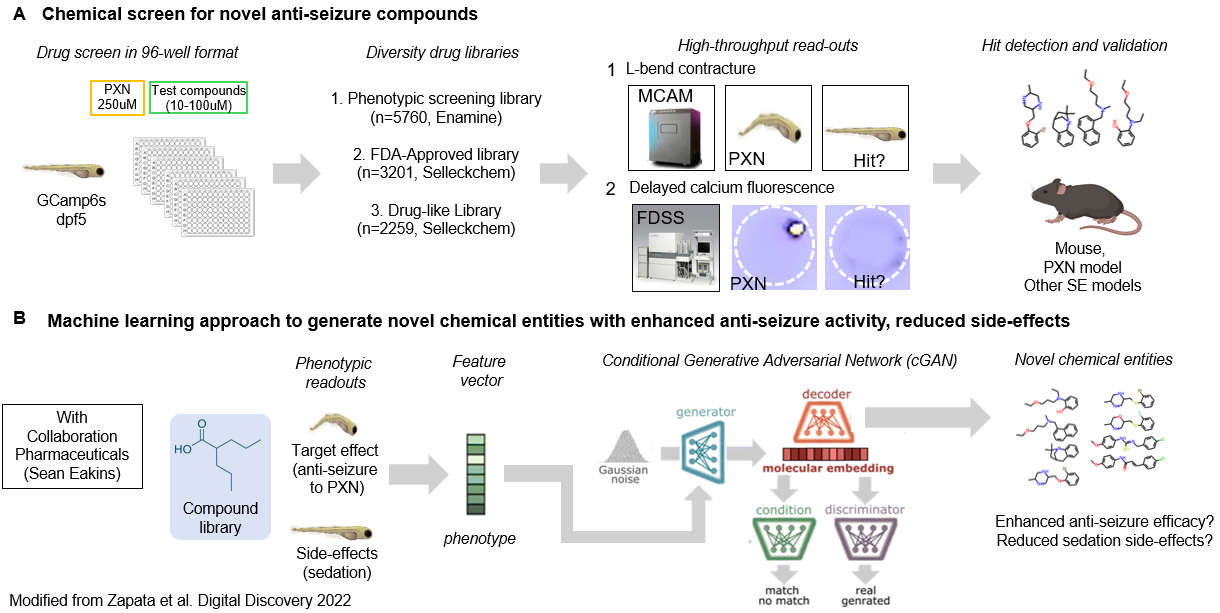
Chemical and genetic screening. Using zebrafish models enables rapid phenotypic screening of compound libraries to identify hits or reverse genetic manipulations to identify modifiers, which we validate in mouse.
-
Neurotherapeutic development. Applying our findings to develop actionable therapies for treating human seizure disorders.


Technologies and methods.
The McGraw lab has both wet and dry components but is primarily a wet lab. We use animals (zebrafish, mouse) and cell-based models; behavioral testing, electrophysiology, calcium fluorescence, time-lapse confocal, automated confocal microscopy, genetic engineering (CRISPR/Cas9; knock-ins, knock-outs), and computational tools (MATLAB/R/Python) when appropriate.
In the near future, we hope to incorporate additional tools including: optogenetics, viral labeling, proteomics, scRNA sequencing, high-throughput morphological measurements, as well as fast volumetric imaging of whole-brain calcium fluorescence in zebrafish.
Joining McGraw Lab.
If you are interested in joining the lab, please see our recruitment page.
Funding
We are grateful for our funding from: CURE Epilepsy, National Institute of Neurological Disease and Stroke, NIH / NINDS CounterACT, F.M. Kirby Neurobiology Center, and the Loulou Foundation / Orphan Disease Center.
News
April 5, 2025New McGraw Lab Website! (thanks Allan Lab for the template!)
April 1, 2025Welcome Ricky Avalos (rotation student from NUIN)!
March 24, 2025Thank you to Guoqi Zhang for 5 years of loyal service! He will move to Xin Tang’s lab at BCH
Feb 7, 2025Yimeng Zhao has joined the lab as a research technologist!
Dec 14, 2024Marisha Dhakal has joined the lab as a data analyst!
Sept 1, 2024McGraw Lab has moved to Northwestern!